Barbie made her big debut in 1959, and she quickly captured the hearts of many with her stylish looks and fun personality. Designed by Ruth Handler, Barbie was created to be a role model for young girls, showing them that they could be anything they wanted. Representing both fashion and freedom, her early days were all about the excitement of looking fabulous while dreaming big.
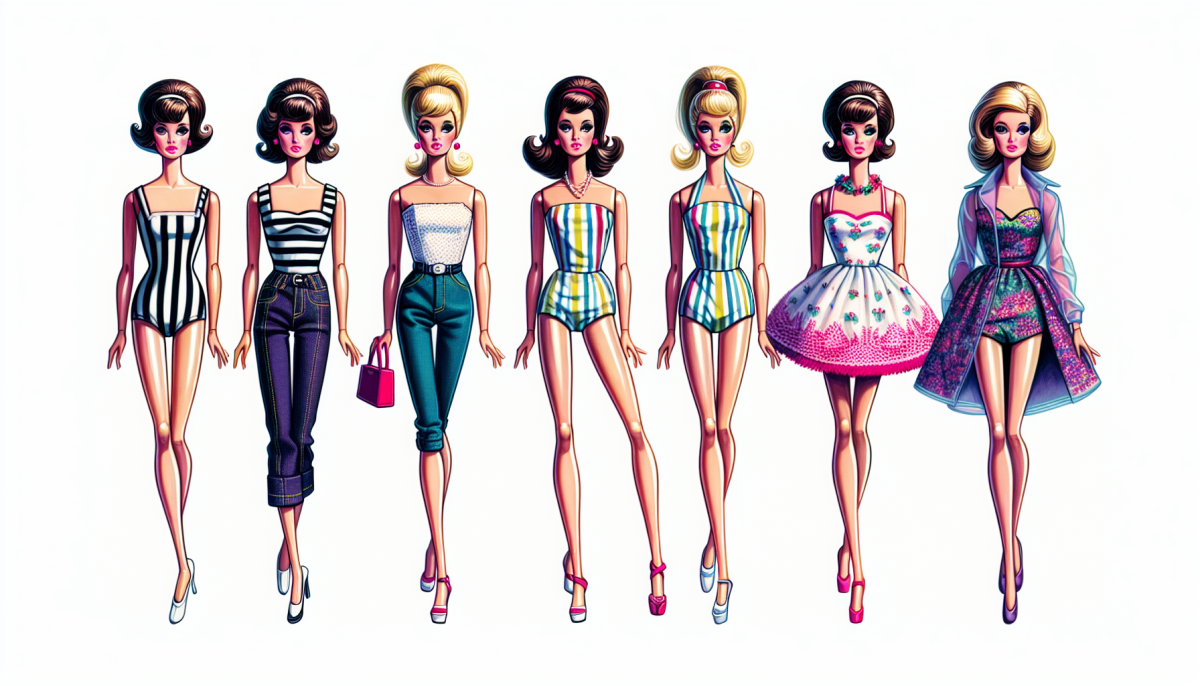
In those first years, Barbie's wardrobe was a game-changer. She rocked everything from glamorous evening gowns to chic swimsuits, reflecting the latest trends of the time. Each outfit was not just a piece of clothing; it was a statement. Little girls saw Barbie as a fashionable companion that sparked their imagination.
As the decades rolled on, Barbie's style evolved to mirror the changing fashion landscape. From the swinging '60s to the bold '80s, her outfits remained a reflection of the culture around her. This made her relatable, showing girls that they too could embrace their unique sense of style. Barbie helped to ignite creativity, inspiring children to play dress-up and create their own stories.
What’s especially cool is how Barbie’s fashion reflected society's changes. She introduced girls to different careers in the fashion industry, from models to designers, encouraging them to dream beyond traditional roles. It wasn’t just about the glam—you could be a fashion icon and a strong professional all at once!
Cultural Impact of Barbie Dolls
Barbie dolls have been more than just toys; they've reflected and shaped cultural trends since their debut in 1959. Over the years, Barbie has evolved alongside society, embracing changes in fashion, careers, and even body image. Each new version of Barbie tells a story about the time it was created, making her a fascinating cultural artifact.
In the 1960s and 70s, Barbie represented the idealized woman often seen in magazines and TV. She sported glamorous outfits and was often linked to the notion of femininity and beauty. As the years went on, however, the brand began to reflect a more diverse range of women. Barbie took on careers in science, politics, and sports, inspiring many young girls to dream big and pursue their passions. Some versions even showcased dolls that celebrated different ethnicities, showing that beauty comes in many forms.
The 1980s and 90s saw Barbie tackle more than just careers. She became a pop culture icon, linking her image to movies, music, and even famous figures. This connection helped shape not just what a doll can be, but also how young fans interacted with media. Having a Barbie doll that resembled a movie character or a favorite singer made playtime so much more interactive and fun.
In recent years, the cultural impact of Barbie has sparked important conversations about body image and inclusivity. The introduction of dolls with various body types, skin tones, and abilities has made it possible for more people to see themselves in Barbie. This shift sends a strong message that everyone can be anything, regardless of their appearance or background, making Barbie more relatable and relevant than ever before.
Barbie Around the World
Barbie has been a beloved doll for generations, and one of the most exciting aspects of her world is how she embraces different cultures around the globe. From her earliest days, Barbie has been dressed in traditional attire that reflects the uniqueness of various countries, celebrating diversity and introducing children to new cultures.
Take, for example, the Barbie dolls that represent different countries during her "Around the World" series. Each doll comes with authentic clothing and accessories that showcase typical outfits from places like Japan, Mexico, and India. It's not just about the looks; it's about telling a story. Kids can learn fun facts about each culture while playing with dolls that look fabulous.
What makes this collection even more special is the attention to detail. For instance, Barbie's Indian outfit features intricate embroidery, and the Japanese Barbie comes in a beautiful kimono. Each doll acts as a mini ambassador, making it easy for young fans to appreciate the richness and beauty of different traditions.
Barbie’s international adventures don’t stop at clothing, either. Many dolls include accessories that further highlight the culture, like musical instruments or traditional toys. This not only enhances playtime but also sparks curiosity about the world outside. Kids can explore global cultures right from their living rooms!
Evolution of Barbie Through the Years
Barbie has been a beloved figure since her debut in 1959. Originally created as a fashion doll, she quickly became a reflection of the times and trends of each era. In the '60s, Barbie sported chic dresses with bold patterns, mirroring the vibrant style of the decade. With her glamorous looks, she was the ultimate fashion icon, inspiring young girls to dream big.
As the '70s rolled in, Barbie began to embrace more diverse roles. She wasn’t just a pretty face anymore; she took on careers like astronaut, doctor, and even presidential candidate! This shift showed that girls could aspire to be anything they wanted. Barbie became more than just a doll; she was a symbol of empowerment and change.
The '80s and '90s saw Barbie becoming even more diverse, with dolls representing different cultures and backgrounds. This was a big step toward inclusivity, allowing kids from various backgrounds to see themselves represented. As the world changed, Barbie adjusted her style and look, making her relevant and relatable.
Fast forward to the 2000s and beyond, and Barbie continues to evolve. Today, she celebrates individuality and self-expression. With dolls featuring different body types, skin tones, and hairstyles, Barbie shows that beauty comes in all forms. This evolution reflects a modern understanding of identity and representation, making her a timeless figure for the next generation.